7 Diesel Engine Overheating Repair Costs You Should Expect
Quick Summary
A diesel engine overheating repair cost usually runs from about $150 for an early thermostat or fan fix to $420 to $1,000 for a radiator or water pump. Head gasket or cylinder head damage typically costs $2,000 to $5,000, and severe internal damage can exceed $5,000.
Radiator replacement is commonly estimated at $420 to $920 for parts and labor on a general vehicle.
Left unrepaired, a radiator problem can escalate into a $2,000 to $4,500 engine repair.
Heavy-duty labor rates are cited at $149 per hour, so diesel labor-heavy jobs add up quickly.
A cooling-system pressure test and combustion gas test help separate cooling repairs from internal engine damage.
Stop driving as soon as safely possible once the temperature gauge enters the red zone.
Table of Contents
Diesel Engine Overheating Repair Cost, Itemized by Component
Overheating Repair Cost by Severity: Scenarios From Minor to Catastrophic
Symptoms of Engine Damage From Overheating and When to Stop Driving
Temporary Fix for an Overheating Diesel Engine and Its Limits
Finding a Diesel Engine Overheating Repair Cost Near Me and Booking Your Diagnosis
What Is Considered Overheating for a Diesel Engine
A diesel engine is overheating when its coolant temperature climbs past the range the manufacturer specifies and stays there. Many owners wait for a warning light, but by then the damage may already be underway.
Diesel engines run hotter than gasoline engines in many situations, so a reading that looks alarming on a passenger car may be routine under heavy load. What matters is whether the temperature is rising beyond the operator's manual limits, or rising steadily while the truck is at a normal load.
Overheating is not a single event. It can be a brief spike on a steep grade, or a slow climb that appears over weeks. Both deserve attention, because repeated heat cycles weaken gaskets, warp metal and accelerate wear on internal components.
Common Causes of Diesel Engine Overheating
Overheating usually traces back to the cooling system failing to remove heat fast enough. The most common culprits are a failed thermostat, a worn water pump, a malfunctioning cooling fan, a clogged radiator, and coolant that is low or leaking. A single component failure can trigger the problem, and one failure often leads to another.
Cooling problems are rarely caught early because the system works quietly until it stops. Regular checks of coolant level, hoses and fan operation catch most of these issues before they become expensive.
Cooling-System Component Failures: Thermostat, Water Pump and Cooling Fan
The thermostat controls coolant flow. When it sticks closed, coolant cannot reach the radiator, and temperatures climb quickly. A thermostat stuck open causes the opposite problem: the engine runs cool, which hurts fuel economy but does not usually cause overheating on its own.
The water pump circulates coolant through the engine. A failing pump may leak from its weep hole, make a grinding noise, or stop moving coolant entirely. Without circulation, heat builds in the block and cylinder heads.
The cooling fan pulls air through the radiator, especially at low speed or idle. A clutch that fails to engage, a motor that burns out, or a damaged fan blade can leave the engine without airflow exactly when it needs it most.
Radiator Blockage, Coolant Leaks and Low Coolant
Radiators clog over time with scale, sediment, road debris and old coolant that has broken down. Blocked fins reduce airflow, and internal blockages reduce coolant flow. Either problem raises operating temperature.
Coolant leaks are a frequent cause of low coolant levels. Leaks can come from hoses, clamps, the radiator core, the water pump seal or a cracked expansion tank. Running low on coolant lets air pockets form, which reduces the system's ability to carry heat away. Topping off coolant without finding the leak only delays the next overheating event.
Diesel Engine Overheating Repair Cost, Itemized by Component
Overheating repair costs depend on which component failed, how long the engine ran hot, and whether internal damage occurred.
A standard radiator replacement is commonly estimated at Fixxr's 2026 radiator replacement cost guide between $420 and $920 for parts and labor on a general vehicle. Full-size truck radiators often cost more, with some published estimates running $950 to $1,000.
Labor rates also shape the total. A Fleet Equipment 2026 heavy-duty repair trends report reports heavy-duty labor rates at $149 and technician pay rising about 10 percent. Because diesel repairs are labor-intensive, a thermostat or water pump job can cost more than the parts suggest.
Component-by-Component Ranges for Diesel Engines
The table below organizes the common overheating repairs by component, with the parts and labor split most shops use. Ranges reflect light- to medium-duty diesel pickups and vans; heavy-duty commercial diesels typically sit at the upper end or above because of larger components, tighter access, and higher shop rates.
Component | Typical Parts Cost (USD) | Typical Labor (hours) | Notes on Diesel Differences |
Thermostat and housing | $30 to $120 | 1 to 3 | Housing and gasket often replaced together; access varies widely by engine layout |
Water pump | $80 to $350 | 2 to 5 | Some diesel water pumps are driven by the timing belt or gear train, raising labor |
Radiator | $250 to $900 | 2 to 5 | Larger cores and integrated coolers raise parts cost on tow-package trucks |
Cooling fan clutch or fan motor | $150 to $600 | 1 to 3 | Electronically controlled fans cost more than viscous clutches |
Hoses, clamps, and expansion tank | $40 to $250 | 1 to 3 | Multiple small leaks are common on high-mileage diesels |
Coolant flush and refill | $80 to $200 (fluid and labor) | 1 to 2 | Diesel coolant (OAT/HOAT) costs more per gallon than conventional coolant |
Head gasket | $1,200 to $3,500 | 10 to 20+ | Labor dominates; turbocharging and dual overhead cams add disassembly time |
Cylinder head repair or replacement | $2,000 to $5,000 | 15 to 25+ | Machining, valve work, and new head bolts add cost |
Costs vary by region, shop type and engine family, so compare written estimates from any shop you consider.
Engine overhauls sit at the far end of the range. Published benchmarks put limited internal repairs at about $5,000 and full rebuilds or long-block replacements above $40,000, according to Millennials Maintenance's 2026 semi-truck repair benchmarks. These figures are only realistic when overheating has caused serious internal damage.
Ask whether the estimate includes a cooling-system pressure test and a post-repair road test.
Overheating Repair Cost by Severity: Scenarios From Minor to Catastrophic
Repair cost tracks severity closely. The table below groups common situations by how far the damage has progressed. The price ranges are illustrative and drawn from the benchmarks above.
Scenario | What Failed | Typical Repair Scope | Estimated Cost Range (USD) |
Caught early | Thermostat or fan clutch | Replace one part, flush coolant | $150 to $600 |
Moderate | Radiator or water pump | Replace component, refill and bleed system | $420 to $1,000 |
Escalated | Heat damage to engine | Head gasket or cylinder head repair | $2,000 to $4,500 |
Severe | Internal engine damage | Limited internal repair or overhaul | $5,000 to $15,000 |
Catastrophic | Full engine failure | Rebuild, long block or replacement | More than $40,000 |
How a Shop Decides Which Scenario You Are In
A diagnosis is important before any major repair, so a shop typically works through a sequence of tests before quoting a head gasket or engine job:
Cooling-system pressure test. Pressurizes the system to find external leaks and confirm the system holds pressure. A system that will not hold pressure points to a leak rather than internal damage.
Combustion gas test (block test). Samples the coolant for exhaust gases. A positive result suggests a failed head gasket or cracked head, moving the job toward the escalated row.
Thermostat and fan verification. Confirms whether a cheap component is the actual cause before authorizing expensive work.
Compression and leak-down tests. Check cylinder sealing. Poor results on adjacent cylinders are a common pattern with head-gasket failure.
Oil and coolant inspection. Milky oil or coolant discoloration supports internal-damage findings.
A pressure test plus a combustion gas test can help distinguish a cooling-system repair from an internal-engine repair. If a shop quotes a head gasket without running at least one of these tests, ask why.
What Changes the Bill Within a Row
Several factors affect the final cost of a repair. Engine size and configuration matter, as does whether the engine has turbocharging, which adds disassembly time. Vehicle class also plays a role, since access to the engine bay varies widely between truck types. Regional labor rates and whether the shop is a dealer or independent can also change the total.
Continuing to drive after the temperature gauge enters the red zone can cause secondary damage quickly, so it is best to stop as soon as safely possible.
Symptoms of Engine Damage From Overheating and When to Stop Driving
Watch for a temperature gauge climbing into the red zone, a warning light, steam or a sweet coolant smell, a coolant puddle under the truck, or a loss of power. Any of these means the engine is at risk.

If the temperature is rising, pull over safely as soon as you can and turn off the engine. Continuing to drive an overheated diesel can warp the cylinder head or blow the head gasket within minutes. Let the engine cool before opening the cooling system, since pressurized coolant can cause serious burns.
Do not drive the truck further than necessary once overheating has occurred. Even if the temperature drops, heat damage may already be present. Have the truck inspected before returning to regular service.
Temporary Fix for an Overheating Diesel Engine and Its Limits
A roadside fix can get you to a safe location, but it does not repair the cause. Once the engine has cooled, you can check coolant level and top it off with the correct coolant type. Inspect hoses for obvious leaks and confirm the fan is spinning when the engine is hot.
Limits matter here. Adding water in an emergency may help briefly, but it dilutes the coolant and lacks corrosion protection, so it should be flushed and replaced as soon as possible. A temporary fix that lets you drive another hour can still allow internal damage. If the overheating returns, stop and get professional help rather than repeating the workaround.
Finding a Diesel Engine Overheating Repair Cost Near Me and Booking Your Diagnosis
Local pricing varies by shop, region and the complexity of the job, so a written estimate is the most reliable way to compare options. Ask for a diagnosis before approving any repair, so you know which component failed and whether heat has caused secondary damage.
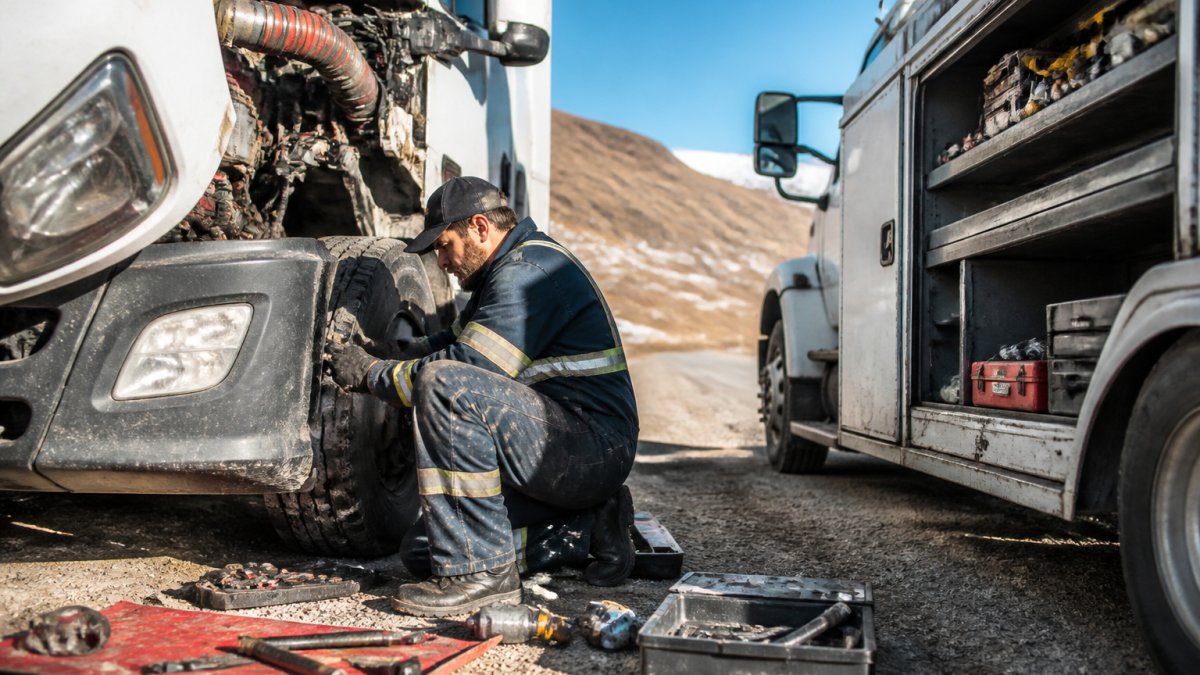
For roadside emergencies, 24/7 Big Rig Repair and Road Service provides [contact our team for emergency roadside assistance and diesel diagnostics | page:2]. If the truck can be moved to a shop, you can also review our [big rig repair services in Portland, including diesel engine diagnostics and fleet maintenance | page:1] to learn more about our diagnostic services.
Overheating is expensive, but the cost of waiting is almost always higher. A faster diagnosis, a clear itemized estimate and prompt repair keep a $500 problem from becoming a $5,000 one.
Frequently Asked Questions
Is an engine ruined if it overheats?
Not always, but overheating can cause serious internal damage. Warped cylinder heads and failed head gaskets are the most common results, and a single severe overheating event can be enough to require an engine overhaul. A diesel that overheats briefly and is shut down promptly often needs only a cooling-system repair. The only way to know is a diagnostic inspection before approving a repair.
What is considered overheating for a diesel engine?
Coolant temperature that climbs above the normal operating range, typically flagged by the gauge entering the red zone or a dashboard warning, counts as overheating. Many heavy-duty diesels are designed to run around 180 to 200 degrees Fahrenheit, so readings that keep rising past that band warrant immediate attention. Continuing to drive after a warning light or gauge spike increases the risk of head-gasket and cylinder-head damage, which drives repair costs up quickly.
Is it expensive to fix an overheating engine?
It depends on the cause and how long the engine ran hot. Costs depend on the specific vehicle and the extent of the damage. A radiator problem that is left unaddressed can lead to much more expensive engine repair, including head-gasket or engine damage. Diagnosis before approval helps keep the repair within the smallest scope that solves the problem.
Can a temporary fix prevent further damage to an overheating diesel engine?
A temporary measure such as topping off coolant after the engine has cooled can get a truck to a repair facility, but it does not fix the underlying cause. Stopping the engine as soon as possible, letting it cool before opening the cooling system, and avoiding long highway runs while hot all reduce further damage. Any temporary fix should be followed by a full inspection of the thermostat, water pump, cooling fan, radiator and head gasket, since a roadside patch that masks a failing component can lead to a much larger repair bill.

Comments